Self Locking Winch Description:
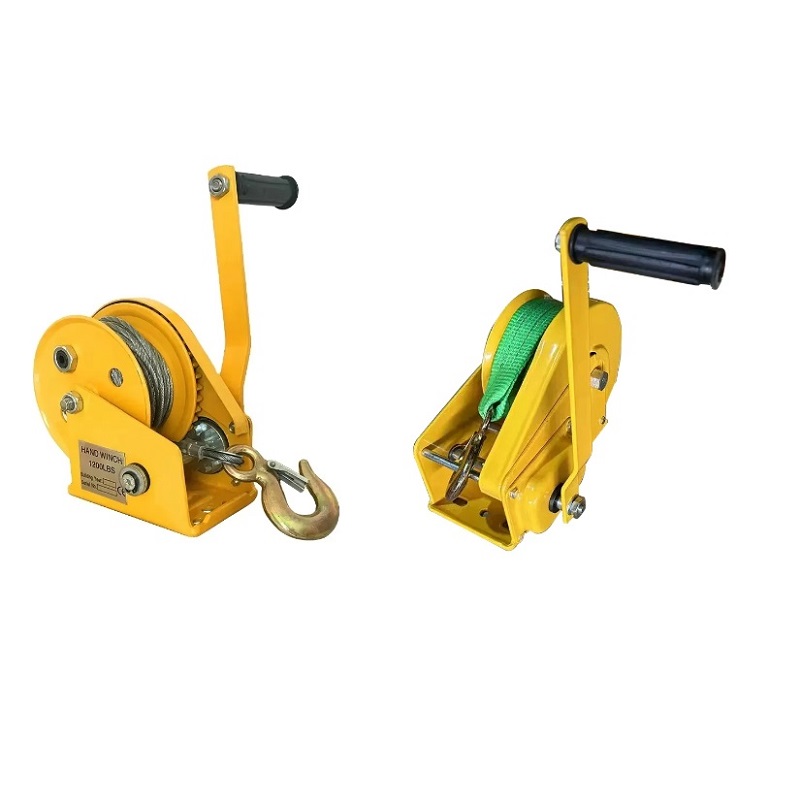
A self-locking winch is a compact lifting or pulling device with an integrated anti-reverse (self-locking) mechanism. Its core feature is automatic load-locking when lifting/pulling force ceases, preventing the load from descending or slipping due to gravity, significantly enhancing operational safety.
This self-locking function is typically achieved through a mechanical structure called worm gear mechanism.
Working Principle: The worm (input shaft) drives the worm wheel (output shaft for cable/rope winding). Due to the unique friction angle and transmission design of worm gears, power can only transfer from worm to wheel. Conversely, attempting to reversely drive the worm through load-generated rotation creates tremendous frictional resistance, achieving self-locking.
Advantages: High safety, compact structure, and position-independent self-locking capability.
Company Profile
Hebei Tieshou Hoisting Machinery Manufacturing Co., Ltd. is a professional lifting equipment manufacturer with over 20 years of experience in design, production, and export. We specialize in chain blocks, lever hoists, electric chain hoists, wire rope hoists, hand winches, magnet lifters, mini cranes, G80 lifting chains, and rigging accessories.
Our products are widely used in construction, manufacturing, logistics, and warehouse industries, known for safety, durability, and reliable performance. Certified with ISO9001, CE, and GS, Tieshou ensures every product meets international standards.
With advanced facilities, experienced technicians, and a professional sales team, we provide OEM & ODM services and customized lifting solutions for global clients. Tieshou is committed to quality, innovation, and long-term cooperation with partners worldwide.
Self Locking Winch Introduction
This self-locking function is typically achieved through a mechanical structure called worm gear mechanism.
Working Principle: The worm (input shaft) drives the worm wheel (output shaft for cable/rope winding). Due to the unique friction angle and transmission design of worm gears, power can only transfer from worm to wheel. Conversely, attempting to reversely drive the worm through load-generated rotation creates tremendous frictional resistance, achieving self-locking.
Advantages: High safety, compact structure, and position-independent self-locking capability.
Self Locking Winch Features
Summary of Key Features of Self-Locking Winches
1.Core Safety Features:
Automatic Mechanical Self-Locking: Utilizes a worm gear design with inherent self-locking capability. When cranking stops, the winch automatically locks, effectively preventing accidental load drops or slippage, ensuring high safety.
Reliable Load Retention: Self-locking does not rely on brake pads or manual operation, ensuring no slippage even under prolonged load retention.
2.Structure & Design:
Compact and Durable: Typically constructed with high-strength cast iron or alloy housing, featuring a tight structure that is lightweight yet capable of heavy loads, ideal for confined spaces.
Lightweight Design: Easy to carry and install, suitable for various settings such as construction sites, warehouses, and vehicles.
3.Operation & Performance:
Simple Operation: Often equipped with a manual crank, requiring no external power source, making it functional even in electricity-free environments. Multiple Mounting Options: Offers various mounting methods, including base and tripod installations, to suit different application scenarios. Smooth Transmission: Worm gear transmission ensures steady operation with relatively low noise.
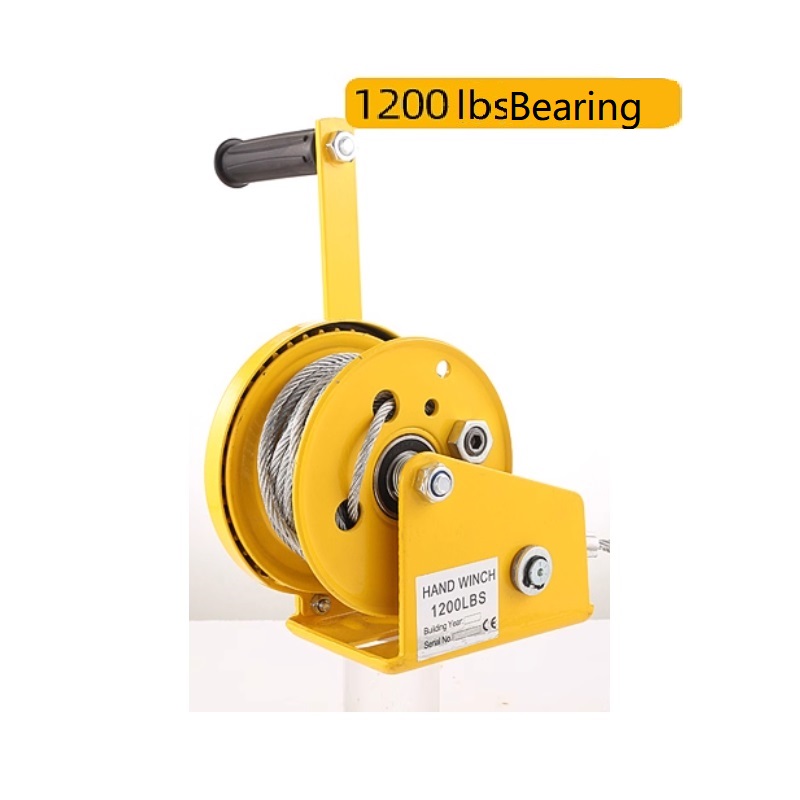
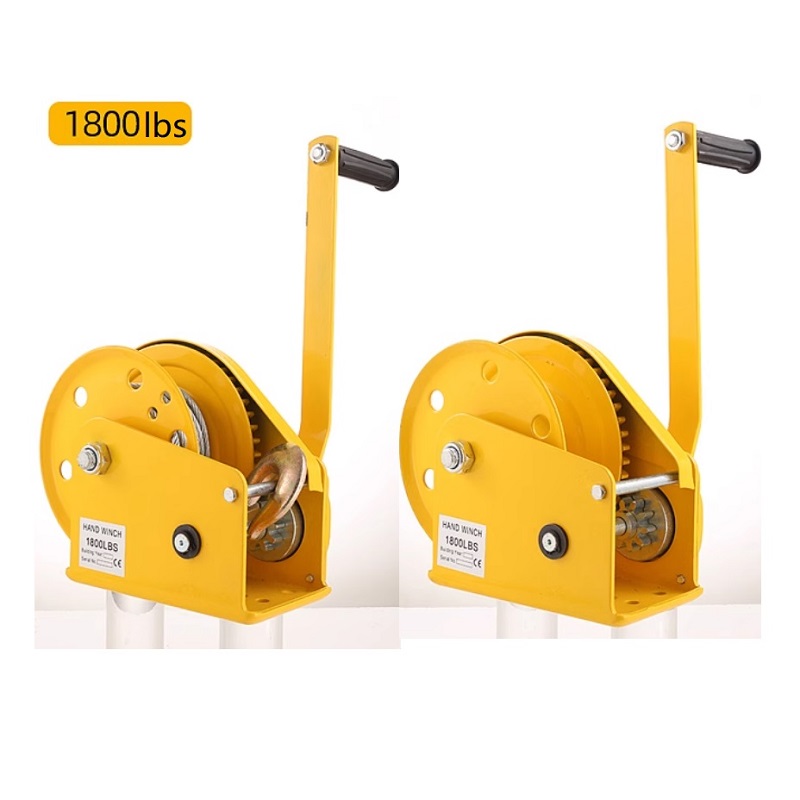
4.Selection & Configuration (Bearing Model vs. Standard Model)



 English
 Russian
 Français
 Español
 اللغة العربية
 Japanese
 Korean
 German
 Tiếng Việt
 Italian
 0
0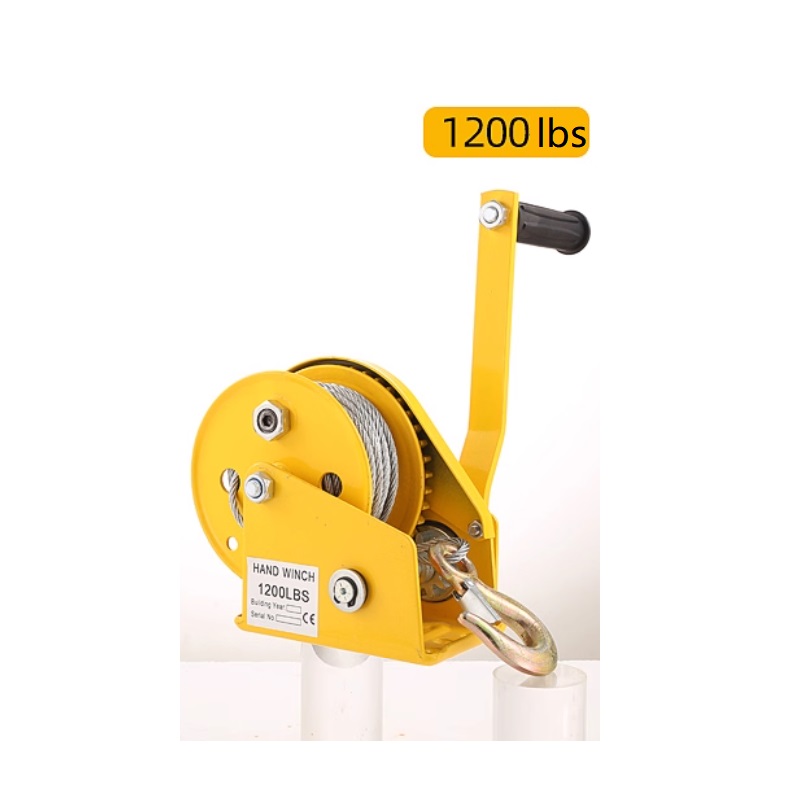

 Stable Quality
 Reasonable Price
 Quick Delivery
 Added Successfully





 sales@tieshouqizhong.com
 +8615132261111
 Alice Zhang
 Kang Wang
 Joyce Yang
 Home
Home WhatsApp
 Email
Email